
What story do we tell ourselves about our pain?
From one moment of suffering to now is encoded in our experience. In our beliefs. In what we tell ourselves about pain. In the truth we speak about our pain. All that pain history tells us how we perceive a pained existence in the present. And we can really be bruised and battered from it.
It can result in:
- Self-blame
- A sense of hopelessness
- That the pain is endless
- It can compromise our coping
- It can make us feel like we have no worth to the world
- We can feel isolated
- We can stop trying to do things because we feel like we fail at everything
It is good to think about the notions we develop from our pain history and the story we tell ourselves about our pain. Because we really can do a number on ourselves. We can just not give ourselves a damn break. We can have very little self-compassion for our journey. But rather blame ourselves in various ways. We can feel resentment and bitterness for how we were treated as well. We can lose all sense that things could get better. We lose our sense of control over our lives. Perception of control can affect our psychological well-being.
I say this because my pain history is a dark place, man. A very dark place. With unmanaged pain, work stigma, medical stigma, suicide attempts, and depression. I felt in my bones that it was all just hopeless. That the pain would never end and it was expected of me to function with unmanaged pain, and when I could not, I blamed myself and called myself a failure. That was my pain story. That was my beliefs. That is what controlled my values I made about myself. My core values were skewed by it. My self-worth and self-identity warped by it.
I did change this. But it was over time.
Pain Awareness Month
September is Pain Awareness Month. It is a good time to reflect on our notion of pain and beliefs around it. Our coping and acceptance.
The steps I took:
- Treat my major depressive disorder with medication
- Treat my depression with therapy
- At the same time I treated my depression, I got pain management, since the pain and depression are tangled together it made sense to treat them together.
- Reduced my work down to part-time, which worked for a bit until my health declined
- Focused on hobbies that fulfilled me and improved my self-worth
Slowly over times you adjust your values to align with the life you are living and not the life you were living. And I had to do this all over again when I went on disability. Again, I focused more on hobbies I found fulfilling that I was capable of doing at that time- which was difficult due to my health. But you need to focus a lot on self-compassion for the life you live and the days you have and less on guilt, blame, shame, feeling like some sort of failure. Once I adjusted that, that made me feel a lot better about myself. Like Being was just fine. Being in my body, in my life, was just fine.
Your self-identity and sense of self align with your life as you go along. Abrupt changes cause a bit of a crisis for a bit. Who AM I without work? Without all the things I COULD DO? But once you fill the void with new things and adjust to a new life, new meanings, new purpose, that sense of self comes back. It grows back, as it should. It changes throughout our lives. It is just that with the abrupt changes with chronic illness, we can have a few more crisis points with our identity and changes with it.
So our story can be twisty turny to be honest. And often we do a lot of internal work to improve our well-being and our quality of life- those alone can help us smooth the rough edges of our pain story with some self-compassion.
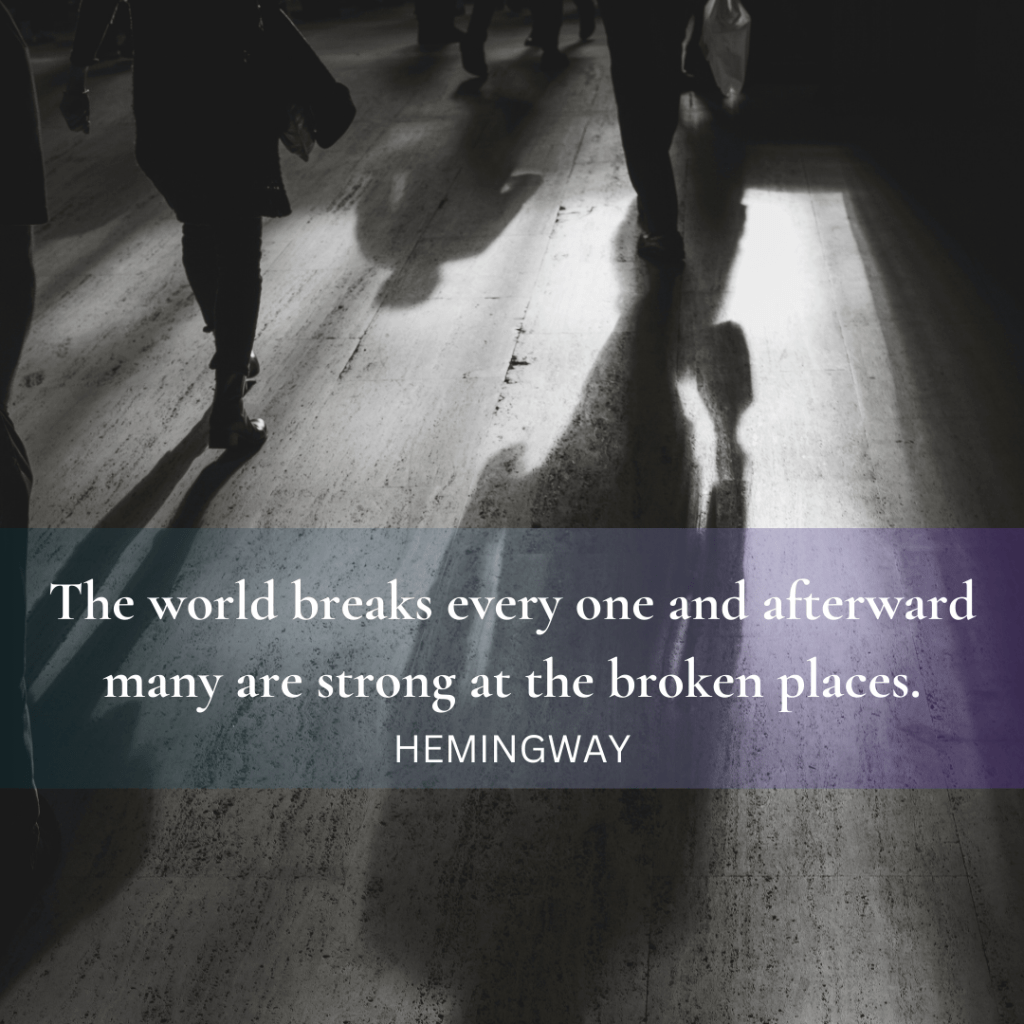
Acceptance can come from looking at that pain story and we can do that by evaluating our pain history.
- We are resilient: We have all survived some really hard times and came out the other side
- We cope better than we used to: And working on our coping is valuable
- We think about our well-being: emotional, mental, physical
- We shouldn’t exceed our limits all the time, every day as it can cause severe consequences to our mental and emotional well-being
- If I exceeded my limits I wasn’t a failure for not being physically capable.
- The stigma of others is Not ours to own. Don’t acknowledge they are right. The stigma is on them. We will not take it into ourselves.
- We know we need self-care and we do not feel guilty about that
- We know when we need to rest and we do Not feel guilty about that
- And our productivity is based on lower usable hours in the day than a healthy person has. And if our usable hours are 2… then what we accomplish is pretty amazing.
Our pain history can really make us feel like past experience predicts future reality but we know that isn’t true. How I cope with pain now is vastly better than I used to. I learned a lot of ways to cope… the hard way, but still. And yeah, if I coped this well back in the day all that hardship wouldn’t have happened, but I cope better now so I am more resilient in the face of the future.
We cannot change our pain history. It happened. And sometimes it leads to some very, very rough times in our lives and the impact lasted for a long time. But we change the story we tell to ourselves about all that history in order to better cope with the future. I don’t want us blaming ourselves, in any way, for having to survive with chronic pain. We are not to blame for this. This is a disease, not a decision.
We cannot stop the impact of pain. It has an impact. We cannot control the unpredictability of chronic illness and when things get so much worse but sometimes they get better. We shouldn’t allow our history with pain to be a massive burden on our present. And it really can be. Pain teaches us a lot. And sometimes we think of some of its most painful lessons and sometimes we learn really negative things. But it teaches us more than that. Like how to persevere, how to endure, how to survive.
When you look at your pain history and what you have carried with you from it. Pain always has a price. And that price takes a massive toll on us mentally and impacts our entire lives. It is all too easy to feel horrible because of it and to blame ourselves. Whether that is hopelessness or bitterness or resentment or whatever you feel from it that affects how you cope now… I want you to remember:
- You have survived every moment. We are survivors.
- You are resilient and you get through the ebbs and flows of chronic pain
- You are stronger than you will ever know
- We cannot change the past but the future is ours to create so every little improvement we make to coping and our well-being
- Exist within your limits and know what you can do has value

 Chronically Nikki